
When you watch a foreign film with flawless subtitles or a YouTube video that switches between languages, it’s easy to ignore what happens behind the scenes. That experience is powered by Artificial Intelligence (AI). AI is reshaping how content reaches global audiences.
The AI video dubbing market is projected to grow 31–44% per year through 2032. Why? Multilingual content now costs 70–90% less and ships in hours instead of weeks compared to traditional dubbing.
Research shows AI dubbing:
- Cuts turnaround time by 80–90%
- Reduces costs by about 70% versus traditional methods
- Is now a priority for 85% of Fortune 500 companies
This post explains the technology that makes it possible—from machine translation to voice cloning to automated subtitling—and how it fits into the modern workflow.
What Changed: Traditional vs AI Video Localization
Before AI
Video localization meant coordinating translators, voice actors, and post-production teams across multiple languages. A single 90-minute film dubbed into three languages could cost $27,000–$135,000. It could take 2–6 weeks per language.
With AI
The same project can cost $900–$2,700 and complete in hours.
Quick comparison:
| Factor | Traditional dubbing | AI dubbing |
|---|---|---|
| Cost per minute | $50–$500 | $1–$30 |
| Turnaround | 2–6 weeks per language | Minutes to hours |
| Scale | Cost grows with each language | Small extra cost per language |
At scale: Localizing 100 product videos into 10 languages costs roughly $1.5 million traditionally versus $50,000–$150,000 with AI.
1. Machine Translation: The Foundation of AI Video Localization
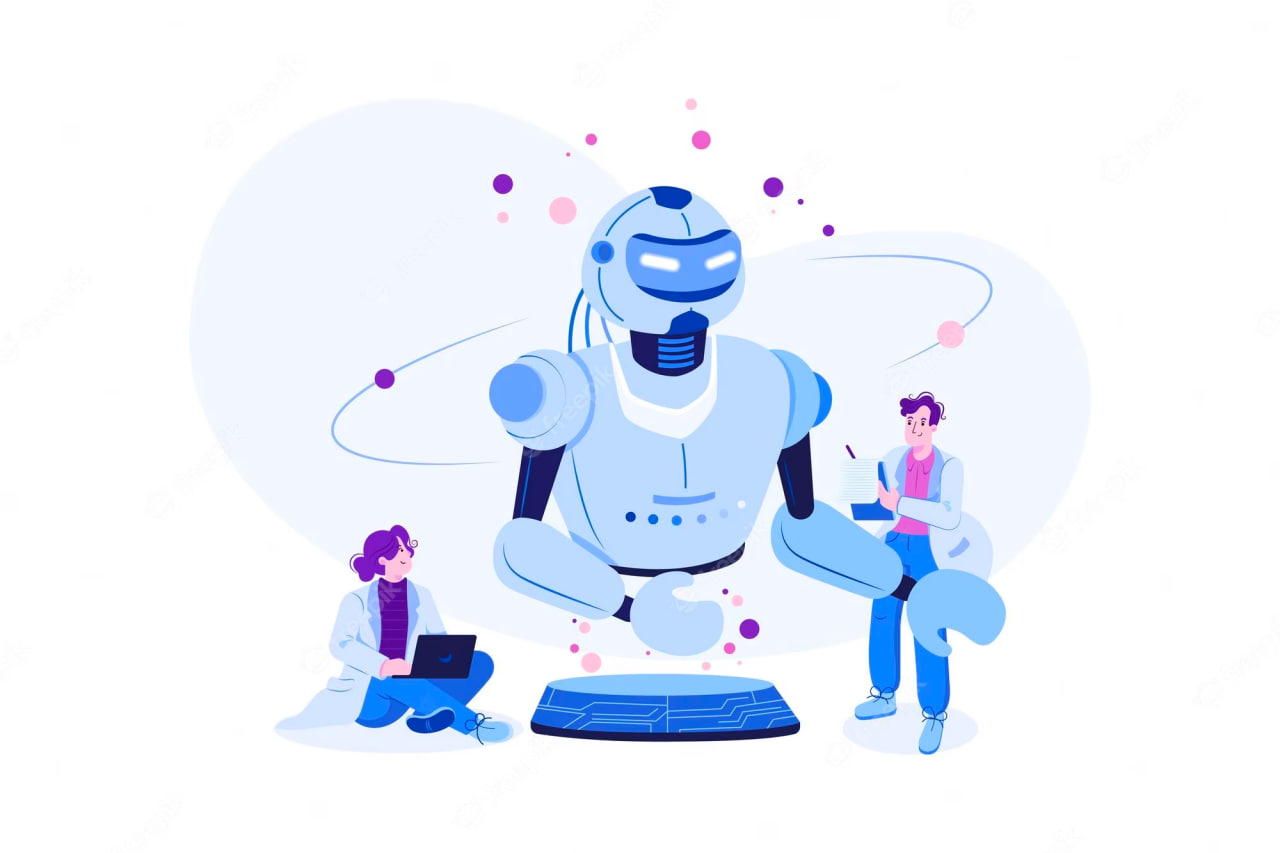
Machine translation — NMT models learn relationships between words and phrases across languages
Machine Translation (MT) is the backbone of AI-driven video localization. It turns source speech or text into target languages automatically. Modern systems use Neural Machine Translation (NMT), which has largely replaced older approaches.
How NMT Works
NMT uses advanced AI models to learn how words and phrases relate across languages. Unlike word-for-word translation, NMT captures context, idioms, and tone. Google reported major quality gains across 100+ languages. Deep learning systems have since reached quality comparable to human professionals for certain language pairs.
Two main approaches:
- Statistical Machine Translation (SMT): Uses patterns and probabilities to pick the best translation. Largely replaced by NMT for most uses.
- Neural Machine Translation (NMT): Uses AI models that focus on the most relevant parts of the source text. Produces more natural, context-aware translations.
Result: Translations that preserve meaning and tone, not just words.
2. Natural Language Processing: Beyond Translation

Cultural adaptation — NLP ensures content resonates with local values and sensitivities
AI goes beyond translation. Natural Language Processing (NLP) handles cultural adaptation, context, and consistency. The goal: localized content that feels native, not mechanical.
What NLP Handles in Video Localization
- Cultural adaptation: Aligns content with the values and sensitivities of the target audience. Content resonates emotionally and culturally.
- Contextual understanding: Words change meaning based on context. NLP analyzes surrounding text to infer intent and produce accurate localization.
- Idioms and slang: Recognizes and adapts language-specific expressions so content sounds natural.
- Tone and style: Identifies whether speech is formal, informal, humorous, or serious. Adjusts localization to preserve the intended impact.
- Consistency: For series or multi-video content, keeps terminology and character names consistent across episodes.
Technical Building Blocks
- Named Entity Recognition (NER): Identifies names, places, organizations, dates, and more. Important for technical or branded content.
- Sentiment analysis: Gauges emotional tone so content can be adapted for different markets.
- Machine learning models: Use large datasets to refine understanding and adaptation over time.
3. Voice Cloning: Keeping the Same Voice Across Languages
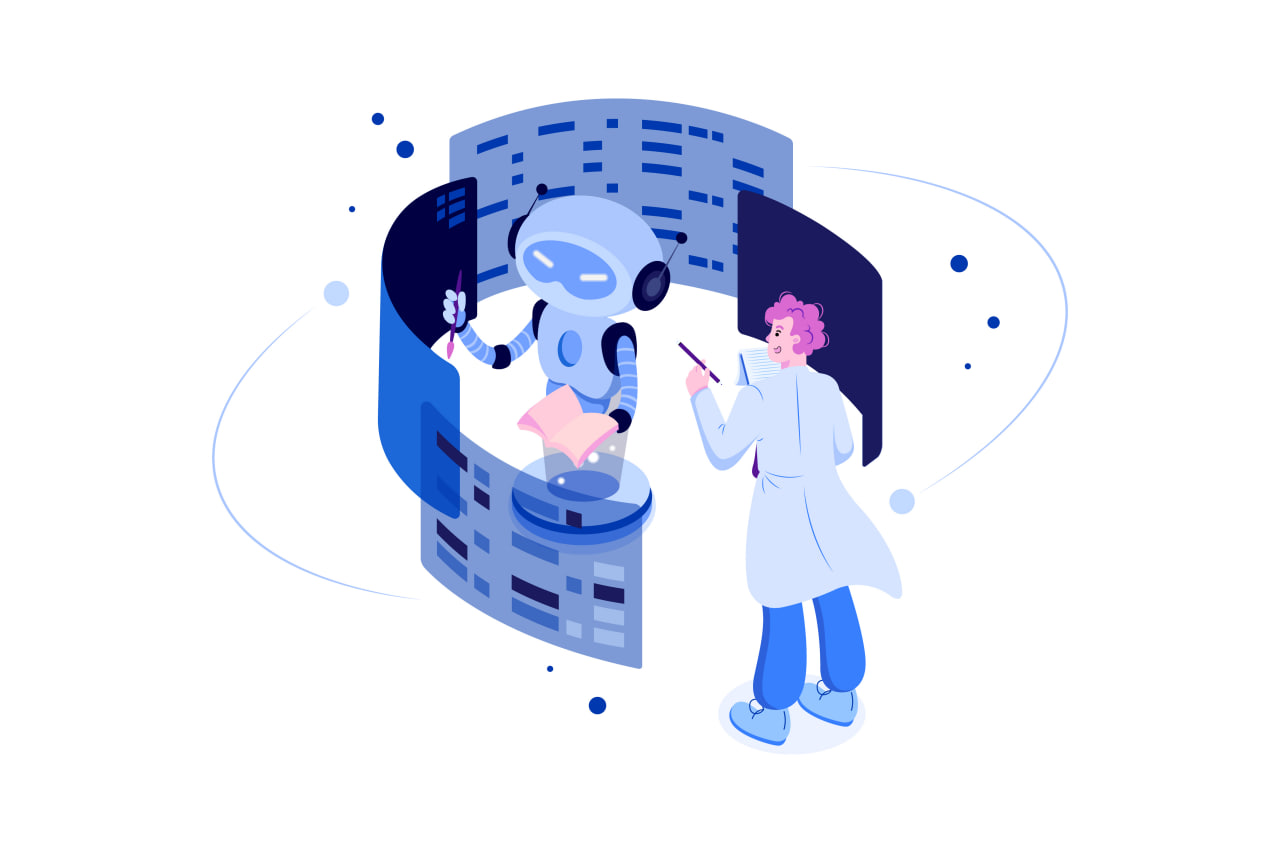
Voice cloning — Deep learning models replicate vocal characteristics across languages
Ever wondered how animated characters sound consistent across languages? AI-driven voice cloning replicates the original speaker’s voice in other languages.
How Voice Cloning Works
Modern platforms support 1,000+ voices across 160+ languages, with control over tone, emotion, and style. Voice cloning uses:
- Voice profiling: Captures pitch, tone, accent, and pacing from a reference recording.
- AI models: Learn from voice data and produce speech that matches the original.
- Text-to-Speech (TTS): Given translated text, the model generates speech in the cloned voice. Some platforms create custom branded voices from as few as 50 voice samples.
Leading platforms: Synthesia supports dubbing into 139 languages with optional lip-sync. Dubverse supports 72+ languages with AI dubbing that preserves emotional nuance.
4. Automated Subtitling and Captioning: Speed and Accessibility

Speech recognition — AI converts spoken words to text for subtitles and captions
AI-powered subtitling and captioning cut production time and improve accessibility.
Key stats from research:
- 80% of people who use captions are not deaf or hard of hearing—they use them for comprehension, learning, and focus
- Over 5% of the global population (360 million people) has disabling hearing loss
- 20% of Americans (48 million) are deaf or hard of hearing
- 41% of videos are hard to understand without sound or captions
How AI Subtitling Works
Speech recognition: Converts spoken words to text using deep learning and recurrent neural networks.
Text segmentation: Splits text into subtitle units and syncs them with audio timing.
Language detection: Automatically detects source language for multi-language workflows.
Quality control: Automated checks ensure subtitles meet accuracy and accessibility standards.
5. Cloud-Powered Scalability

Cloud infrastructure — GPU resources, microservices, and serverless computing power AI localization at scale
AI video localization runs on cloud infrastructure that scales with demand.
Key components:
- Cloud platforms (e.g., AWS, Azure): Provide fast processing for video and audio.
- Microservices: Each step—transcription, translation, voice generation—runs as an independent service. Components scale based on load.
- Serverless computing: Resources provision automatically. Less planning and overhead.
- Load balancers: Distribute traffic for high availability and efficient resource use.
The Process in Action
A typical AI-driven video localization workflow:
- Content ingestion: Video and metadata are uploaded to the platform.
- Transcription: AI transcribes audio to text.
- Translation: NMT models translate the text into target languages while preserving meaning and context.
- Voice generation: AI produces dubbed audio in the cloned or selected voice.
- Subtitling and captioning: AI generates subtitles and captions, synced with audio.
- Quality assurance: Human reviewers check and refine localized content when needed.
Beyond Localization: Insights and Engagement
AI also supports content strategy. Engagement data shows which languages and formats perform best. Creators can prioritize localization and optimize for global reach.
Summary
AI has turned video localization from a slow, expensive process into one that is fast, scalable, and cost-effective.
What works together:
- Machine translation
- NLP (cultural adaptation and context)
- Voice cloning
- Automated subtitling
The result: content that feels native and accessible. The next time you watch a seamlessly localized video, you’ll know that AI is working behind the scenes.
Ready to localize your video content?
Related Guides
References
- Lucintel: AI Video Dubbing Market Report — Market size, growth forecasts, cost/time savings
- Intel Market Research: AI Video Dubbing Outlook 2025–2032 — Lip-sync accuracy, market projections
- Vozo.ai: Cost of AI Dubbing vs Traditional Dubbing — Cost comparison data
- Keevx: AI Dubbing vs Traditional Dubbing — Cost, speed, and quality comparison
- 3Play Media: Accessibility and Online Video Statistics — Caption usage, deaf/HoH demographics
- Google AI Blog: Recent Advances in Google Translate — NMT quality improvements
- Nature: Deep Learning Reaches Human-Level Translation Quality — NMT vs human translation benchmarks


Use the share button below if you liked it.